
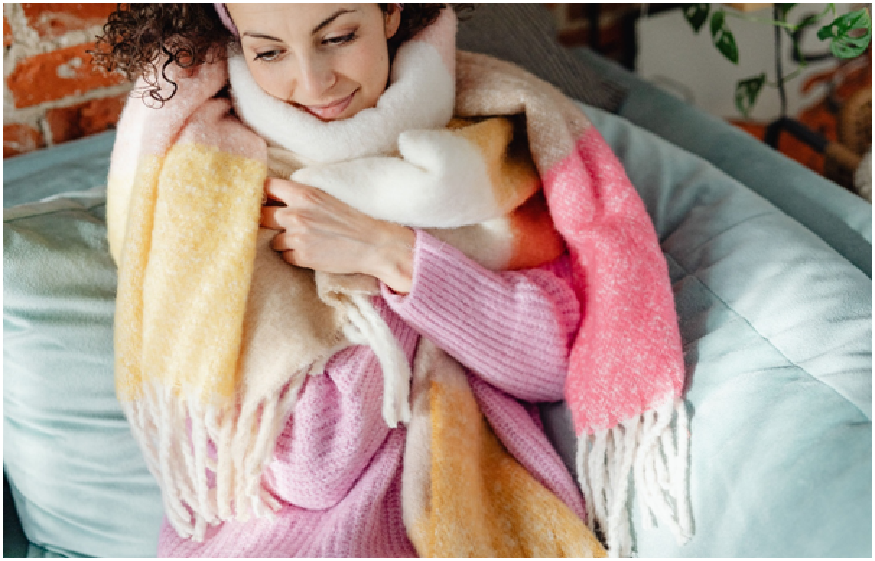
You know that moment when the cold hits and no matter how many layers you put on, you still feel it all the way through? That’s a base layer problem. Thermal innerwear is the unsung hero of winter dressing, and once you get it right, you’ll wonder how you survived the season without it.
Why Thermals Aren’t Just an Extra Layer
Thermal wear is about trapping a thin layer of warm air close to your skin, which your body then uses to stay warm without overworking itself. Skip this layer, and you’re relying entirely on your outerwear to do the job. That usually means feeling cold anyway, no matter how heavy your coat is. If you’ve got kids who spend hours outdoors, something like boys inner thermal wear can make a real difference. It can help keep them warm without weighing them down during play.
The Health Side of Staying Warm
Cold can make you feel uncomfortable but more than that it can affect your body in ways that you don’t know:
Read More : How to Measure Pupil Size Accurately in Clinical Settings
- Increased risk of catching colds and flu, since cold air can weaken your immune response
- Muscle stiffness, especially if you’re stepping out for a walk or workout
- Poor circulation, which can leave hands and feet feeling numb
A good thermal layer helps your body maintain a steady core temperature, so it’s not constantly working overtime just to keep you warm.
What is a Good Thermal?
All thermals are not alike. Here’s what you should actually be checking for:
| Feature | Why it matters | Best for |
| Moisture-wicking fabric | Keeps sweat from making you feel colder | Active days, layering |
| Snug (not tight) fit | Traps warmth without cutting circulation | Everyday winter wear |
| Soft inner lining | Prevents itching and irritation | Sensitive skin |
| Stretchable material | Moves with you comfortably | Kids, active adults |
| Breathable fabric
|
Avoids overheating indoors | Layering under heaters |
Don’t Forget the Everyday Essentials
Thermal wear isn’t just for outdoor gear. It matters just as much in your everyday innerwear too. If you’re someone who feels the cold quickly, especially first thing in the morning or through long indoor days, switching to proper women’s lingerie thermal wear can genuinely change how comfortable your whole day feels. It’s a small swap that makes a noticeable difference, especially during peak winter months.
Easy Layering Tips
Getting the most out of your thermals is simple once you know the basics:
- Always wear thermals directly against your skin, not over other clothing.
- Go for a snug fit, not a loose one. The trapped air layer works better this way.
- Choose breathable fabrics if you’re moving between heated indoor spaces and the cold outside.
- Wash thermals gently to preserve elasticity and warmth retention over the season.
To Wrap Up
Winter comfort really begins with the base layer. Once you get your base layer right, everything else you wear on top just works better. Whether you’re picking thermals for active kids or upgrading your own everyday innerwear, AJIO makes it easy to find options that keep you warm, comfortable, and healthy right through the cold months.
Read More : Reasons to Visit a Paediatric Hospital
FAQs
1. Should thermals fit snugly or loosely?
Snugly is what thermals should be like. These help to trap the air and keep it warm without causing any trouble in movements
2. Can thermals also be worn indoors the whole day?
Yes, in case you are someone who gets cold easily. Also, it is suitable for those who spend long periods of time in heated indoor spaces.
3. How many thermal sets do I actually need?
Having 2–3 sets on rotation is usually enough to get through a wash cycle comfortably during winter.
4. Do thermals work under regular clothing?
Yes, they’re designed to sit directly against your skin, under your regular outfit, without adding bulk.
5. Do children need different thermals, or can they be the same as adults?
Yes, kids need thermals that are more stretchable and soft as they are constantly moving around. Something too tight or scratchy will not stay on them for long.









+ There are no comments
Add yours