
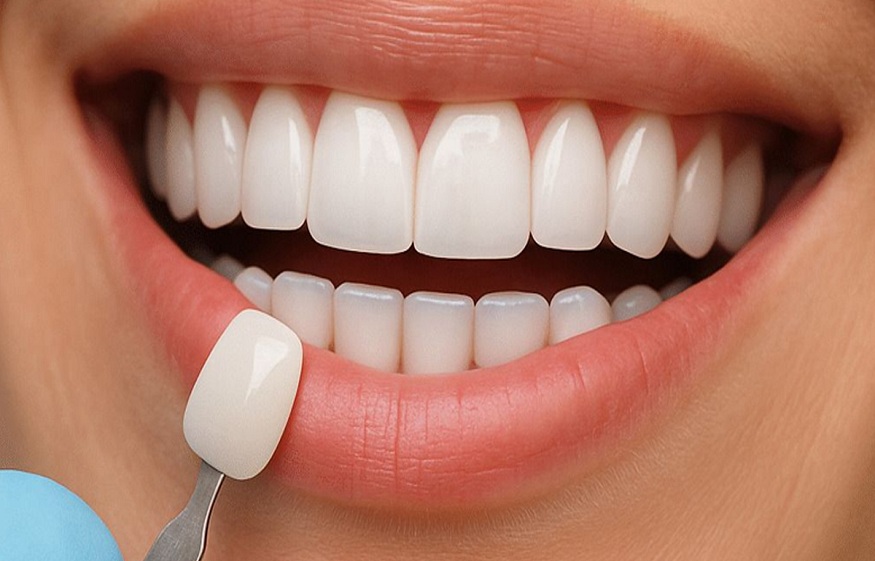
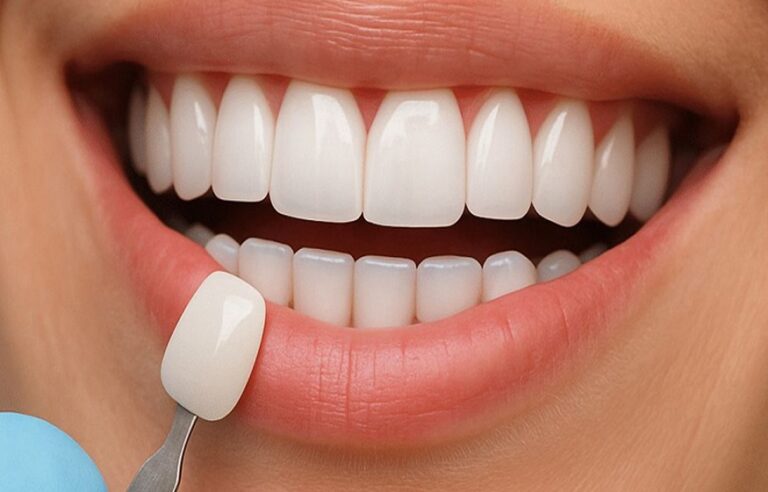
The aesthetic harmony of a smile depends on more than just the alignment and shade of the teeth. Often, the frame—the gingival tissue—plays an equally vital role in facial symmetry. For individuals dealing with a “gummy” smile or an uneven gum line, traditional methods of reshaping often involved invasive surgical procedures with significant downtime. However, the integration of digital technology into cosmetic dentistry has revolutionised this process, allowing for a level of predictability and comfort that was previously unattainable.
The Evolution of Gingival Reshaping
Historically, gum contouring was a manual process guided largely by the dentist’s visual assessment during the procedure. Today, the shift toward a digital-first approach means that every millimetre of tissue removal is calculated long before the patient sits in the chair. Digital Gum Contouring utilises high-resolution intraoral scanners to create a three-dimensional map of the mouth. This data allows clinicians to visualise the relationship between the bone, the tooth root, and the soft tissue, ensuring that any adjustments respect the biological width of the periodontium.
Read More: The Smile Architect: Composite Bonding Excellence Explored
Precision Planning with Digital Smile Design
One of the most significant breakthroughs in this field is Digital Smile Design (DSD). This protocol allows practitioners to overlay proposed changes onto high-definition photographs of the patient’s face. By doing so, they can ensure the new gum line complements the patient’s unique lip line and facial proportions. Patients can see a virtual preview of their results, turning a clinical necessity into a collaborative aesthetic journey. This stage is crucial for achieving a natural smile upgrade using gum contouring techniques that look seamless and intentional rather than artificial.
Laser Technology and Minimally Invasive Execution
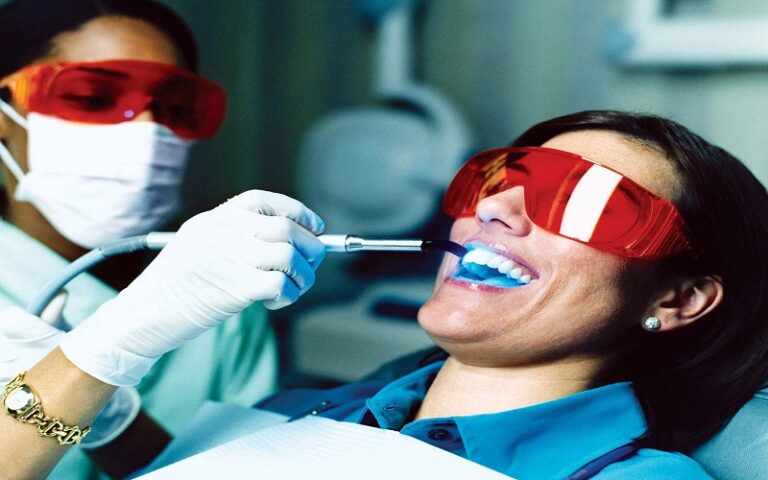
The “digital” aspect of this treatment extends into the execution phase through the use of soft-tissue lasers. Unlike traditional scalpels, dental lasers are programmed with precision settings to cauterise as they cut. This results in minimal bleeding, reduced swelling, and a significantly lower risk of infection. Because the laser is so targeted, it preserves the health of the surrounding tissue, leading to a much faster recovery period. Most patients find they can return to their daily routines almost immediately, with only minor sensitivity.
Correcting Asymmetry and Proportion
Gingival asymmetry can make teeth appear slanted or varying in length, even if the underlying dental structure is sound. Digital contouring is particularly effective for correcting these discrepancies. By precisely removing excess tissue or leveling an uneven arch, dentists can expose more of the natural tooth crown. This not only improves the “white-to-pink” ratio of the smile but also helps in maintaining better oral hygiene, as excess gum pockets that trap bacteria are eliminated.
Read More: Dr. Kami Hoss Discusses How To Care For Your Teeth
The Role of Integrated Systems
The success of these advanced treatments relies heavily on the back-end technology used within the clinic. From the initial scan to the final laser application, the data must flow seamlessly between different platforms to maintain accuracy. It is becoming increasingly clear that modern dental software are enhancing efficiency across Australian practices, allowing for better data integration and more predictable clinical outcomes for patients seeking high-end cosmetic refinements.






+ There are no comments
Add yours